
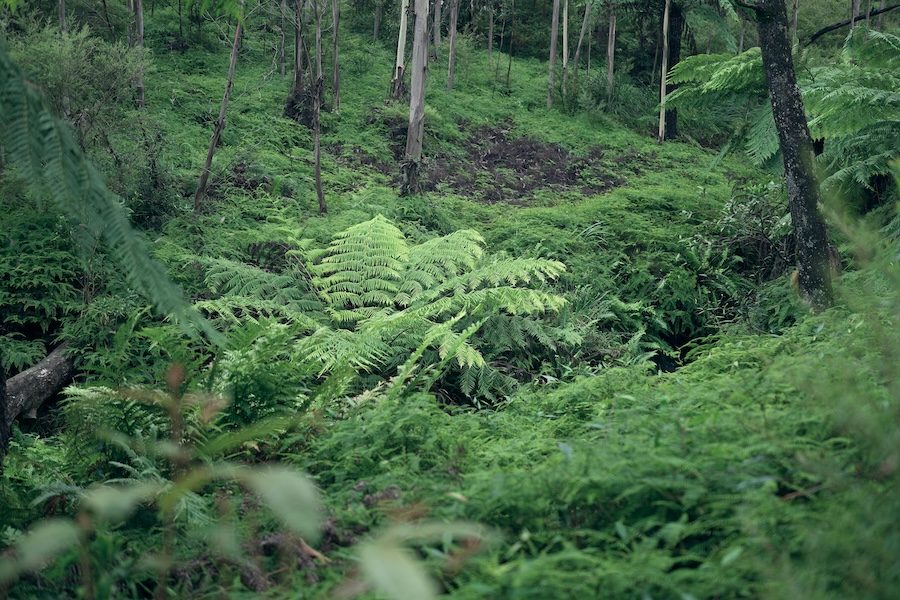
There is a particular silence in a forest that has been cut. It is not the calm, cathedral hush of old growth. It is a thinner silence, like a sentence cut short. Walk through parts of western Uganda long enough and you will hear it. The absence of birds. The absence of shade. The absence of time itself.
Forest protection, in polite circles, is often discussed like a ledger. Hectares lost, hectares restored, tonnes of carbon absorbed. Necessary numbers, yes. But they do not tell you what it feels like to stand beside a stump that still smells faintly alive.
In Hoima, where Al Rauda Group has begun its work, the story of the forest is not one story. It is a layered narrative. Colonial timber extraction. Post-independence agricultural expansion. Population pressure. Informal economies that rely on charcoal and firewood. Each chapter makes sense on its own. Together, they read like erosion.
The Understorey We Rarely Talk About
Forest protection is often framed at canopy level. Policies. Enforcement. Satellite maps. But the real battle is fought in the understorey.
The understory is where livelihoods sit. It is where a farmer decides whether to clear another acre. Where a family weighs short-term survival against long-term stability. Where a community either participates in conservation or quietly resists it.
Too many protection models have treated people as externalities. Draw a boundary. Enforce it. Hope for the best. The result is predictable. Protection on paper, degradation in practice. What Al Rauda is achieving in Uganda is something more grounded. Forest protection not as restriction, but as participation. Not as exclusion, but as ownership.
A Different Kind of Contract
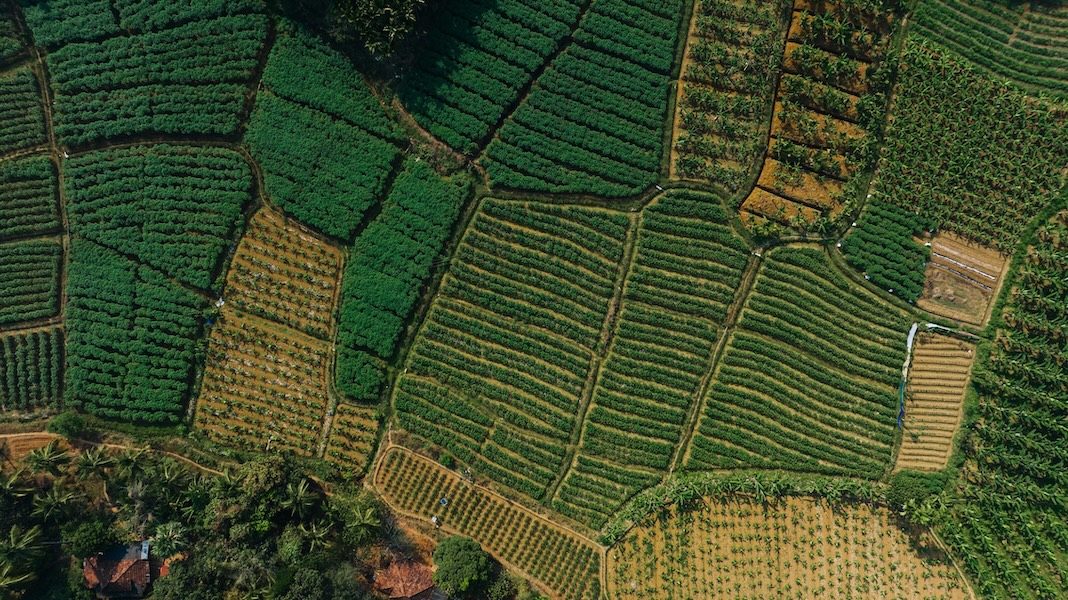
The Bugoma landscape tells this shift clearly – Instead of fencing communities out, the model invites them in. Agroforestry becomes the bridge. Farmers are not asked to stop producing. They are asked to produce differently. Intercropping, sustainable timber, long-term tree crops. The forest begins to return, not as a barrier, but as an asset.
There is something quietly radical in that – Because when a farmer plants a tree they will benefit from in ten or fifteen years, they are doing more than planting. They are placing a bet on stability. On continuity. On a future where staying put makes sense.
That is forest protection at its most human.
The Weight of History
“Uganda’s forests have not disappeared overnight.
Nor will they return overnight.”
Historical land use patterns have carved deep grooves. Once land is cleared, it rarely returns to forest without deliberate intervention. Soil degrades. Rain patterns shift. Biodiversity fragments. Each year of delay compounds the effort required to reverse it.
This is why timing matters. The window for large-scale restoration that is both economically viable and ecologically meaningful is not infinite. Capital is beginning to recognise this. So are governments. The question is whether execution can keep pace with awareness.
Where Technology Meets Soil
There is a temptation to romanticise forests. To imagine restoration as something purely organic. Modern forest protection is as much about data as it is about dirt.
Satellite monitoring. Carbon verification. Soil analytics. These are not buzzwords. They are the scaffolding that allows capital to trust what it cannot physically see.
Al Rauda’s projects are built with this dual lens. Boots in the field, eyes in the sky. The result is something rare. A forest that can be felt locally and verified globally.
What Comes Next
Forest protection in Uganda will not be solved by a single project. Nor a single fund. It will be solved by alignment. Alignment between capital and community. Between ecology and economics. Between long-term incentives and short-term realities. Al Rauda’s work in Bugoma is one piece of that puzzle. A meaningful one, but still a piece.
The real test is replication.
Can this model move beyond one landscape? Can it scale without losing integrity? Can it remain grounded while attracting institutional capital? Those are the questions that matter now, because the silence of a cut forest is not permanent. Given the right conditions, it can be replaced. Slowly. Patiently. With the sound of growth.
Continue reading:
Explore how this protection model is being recognised globally in Al Rauda Forest Fund Listed Among Top 10 African Impact Investments
If this is a story you’d like to follow from the inside, not the sidelines, explore more articles or join the journey on LinkedIn.