
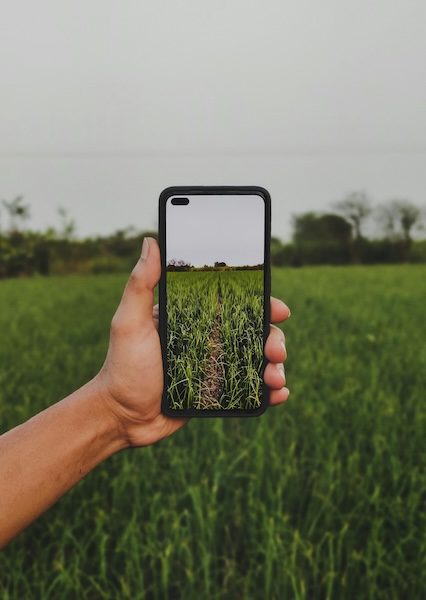
There is a quiet shift underway in the voluntary carbon market, one that does not announce itself with headlines but instead settles into the mechanics of how value is created, tracked and trusted. Forest tokens sit at the centre of this shift, not as a speculative distraction but as an instrument that attempts to repair something long considered fragile, the credibility of carbon itself.
For years, the voluntary carbon market has moved like a bazaar, crowded with projects of uneven quality, layered with certification frameworks that often obscured more than they revealed. Buyers learned to tread carefully. The idea of offsetting emissions became tangled with questions around permanence, additionality and verification. Confidence thinned.
Tokenisation changes the architecture.
At its core, real world asset tokenisation takes something physical and binds it to a digital representation that carries provenance, ownership and transaction history. In forestry, this means that a hectare of land, its biomass growth, its carbon capture capacity and its stewardship can be recorded in a way that moves beyond static reporting cycles.
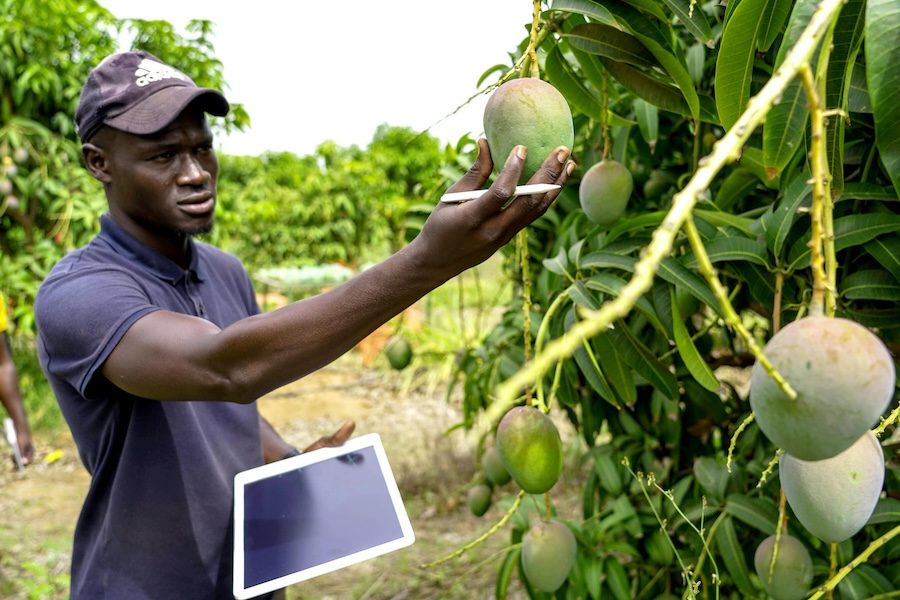
The result is a living ledger.
Instead of annual reports that attempt to summarise ecological change, tokenised forests can produce continuous data streams tied to specific parcels of land. Each token becomes a container of truth, holding verified measurements, satellite observations and ownership rights. Liquidity follows naturally. What was once illiquid and slow to transact becomes tradeable with a clarity that institutional buyers understand.
Procurement teams have begun to notice.
Large corporates are no longer satisfied with broad claims of carbon neutrality. They are specifying the nature of the carbon they purchase, favouring instruments that demonstrate traceability and durability. Forest tokens, when structured correctly, meet this requirement. They offer something closer to audited infrastructure than abstract environmental goodwill.
There is also a philosophical shift embedded within this model. Traditional carbon credits often separated the buyer from the underlying asset. Tokenisation closes that distance. Ownership becomes fractional but tangible. The investor is no longer purchasing an outcome in isolation but participating in a system that generates it.
In East Africa, where land carries both ecological and social significance, this model finds fertile ground. Agroforestry projects can integrate local communities into the ownership structure while providing investors with transparent exposure to asset performance. The forest becomes both a climate solution and an economic engine.
The implications stretch beyond carbon.
Tokenised forestry assets begin to resemble a new asset class altogether, one that sits somewhere between infrastructure, commodities and impact investment. Returns are shaped not only by carbon pricing but by timber yields, land appreciation and ecosystem services. Risk is distributed across multiple value streams rather than concentrated in a single outcome.
Critics remain and rightly so.
Technology alone does not guarantee integrity. A poorly managed forest, even when tokenised, remains a poor asset. The discipline lies in coupling digital infrastructure with rigorous on ground stewardship. Without that, tokenisation risks becoming a veneer rather than a foundation.
Al Rauda’s approach leans heavily into this discipline. By anchoring tokenisation to verified land ownership, community participation and continuous monitoring, the model avoids the abstraction that has plagued earlier iterations of the carbon market.
This is not a reinvention of forestry. It is a recalibration of how its value is expressed and exchanged.
Those who understand this shift are beginning to position themselves early, recognising that the future of carbon will not be defined by volume alone but by quality, transparency and trust.
Related reading:
Explore Why agricultural tokenisation is unlocking alternative investment vehicles and Satellite biomass monitoring across 9,000 hectares for deeper context.
Connect with me and the team on LinkedIn.