
In Uganda’s green but increasingly fragile agricultural landscapes, smallholder farmers face a hard reality. Rainfall patterns shift without warning. Soil fertility declines year after year. Climate shocks wipe out harvests and income in a single season. Yet across East Africa, organisations such as One Acre Fund continue to prove that practical, community-led climate action delivers measurable results.
Their work offers important lessons for Uganda. Lessons rooted in resilience, long-term investment and farmer economics. More importantly, lessons grounded in scale.
Blended finance and the future of Uganda’s agricultural economy
One Acre Fund’s work around blended finance presents a clear pathway for scaling climate-smart agriculture across Uganda. By combining philanthropic funding with commercial capital, the model reduces risk for investors while creating long-term economic value for rural communities.
Uganda’s agricultural sector still relies heavily on rainfed farming. Millions of smallholders produce coffee, maize and bananas with limited access to finance, irrigation or improved inputs. This financing gap suppresses productivity and leaves farmers exposed to climate volatility. Blended finance changes the equation.
Patient capital supports the early adoption of climate-smart practices such as agroforestry, regenerative soil management and improved seed varieties. Philanthropic guarantees absorb early-stage risk from droughts, floods and market instability. Commercial investors then gain confidence to enter agricultural value chains with longer investment horizons.
For Uganda, the implications are significant. Coffee alone contributes more than 14 percent of export earnings and supports over 1.7 million households. Investment into sustainable coffee processing, tree intercropping and farmer training could increase yields, strengthen export quality and create access to international carbon finance markets.
The opportunity extends beyond agriculture. Stronger rural economies create employment, increase land productivity and reduce pressure on forests and biodiversity.
Catalytic capital and the economics of scale
One Acre Fund’s research into high-performing agricultural NGOs highlights a critical truth. Scaling impact across rural Africa requires long-term catalytic support.
Short funding cycles rarely produce systemic change. Farmers need continuity. Climate adaptation demands consistent investment in training, extension services, insurance and infrastructure.
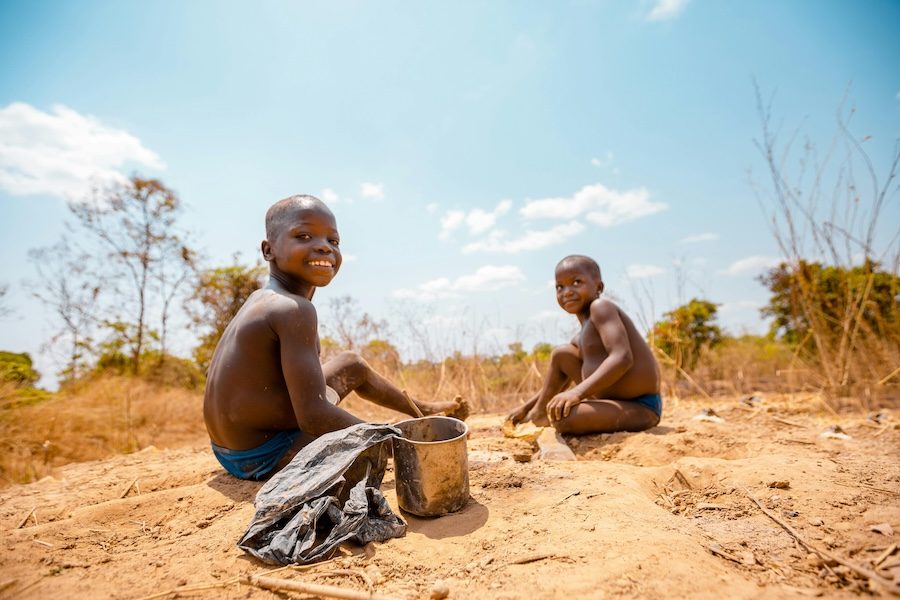
Uganda’s smallholders sit on the frontline of climate risk. Failed rains or prolonged droughts erase years of progress within months. Flexible donor capital helps programmes maintain operations during these shocks while continuing to innovate.
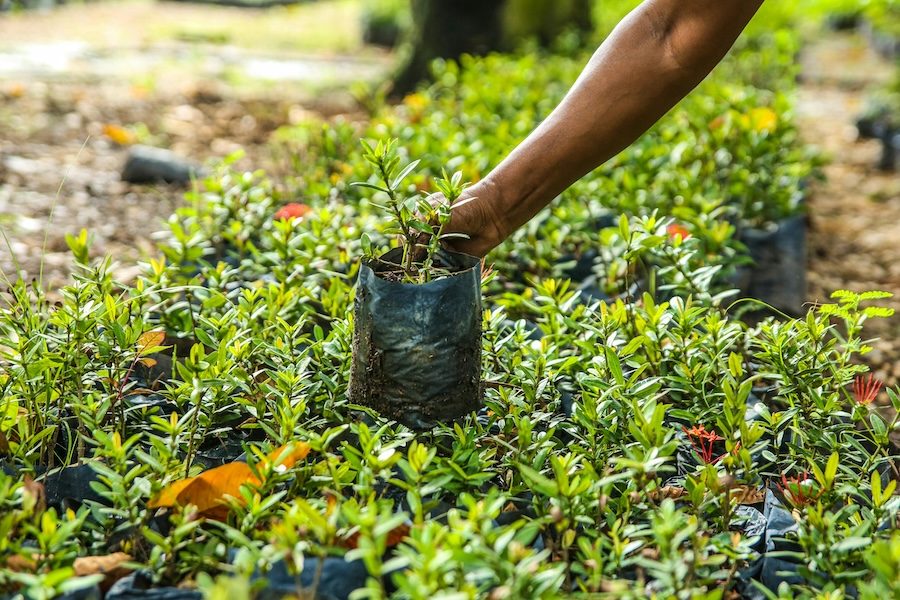
This matters for agroforestry in particular. Uganda loses tens of thousands of hectares of forest cover annually through deforestation and land degradation. Restoring tree cover across farming systems improves soil health, stabilises water retention and creates additional farmer income through timber, fruit and carbon revenues.
Catalytic investment gives organisations room to test, refine and scale these models responsibly. Without it, many climate initiatives remain trapped in pilot stages while rural vulnerability grows.
Community-led climate action delivers stronger outcomes and collaborating with conservation organisations reinforces another lesson increasingly visible across East Africa. Climate solutions succeed when communities own them.
Farmer-led adaptation outperforms top-down interventions because local communities understand their land, weather patterns and production systems better than anyone else.
Uganda holds immense potential here. Its fertile soils, strong agricultural workforce and biodiversity position the country as a natural leader in climate-smart agriculture. Programmes focused on agroforestry and tree distribution already show measurable gains in both resilience and farmer income.
Trees serve multiple economic functions across smallholder systems:
• Improve soil fertility
• Reduce erosion and water loss
• Protect crops from wind damage
• Produce timber and fruit income
• Sequester carbon for future credit markets
These outcomes matter because they strengthen both livelihoods and landscapes simultaneously.
With stronger investment into farmer cooperatives, rural insurance schemes and market access, Uganda could scale these benefits nationally. Technology increasingly shapes the next phase of African agriculture.
Remote sensing, satellite monitoring and AI-driven analytics allow organisations to measure crop health, forecast rainfall variability and monitor tree growth with unprecedented precision.
For Uganda’s farmers, this creates practical advantages. AI-supported planting advisories help farmers make better decisions around seasonal timing. Satellite monitoring strengthens carbon verification systems. Soil analytics improve fertiliser efficiency while reducing input costs.
Combined with strong extension services, these technologies increase productivity while strengthening climate resilience.
They also strengthen Uganda’s position within emerging carbon markets.
Reliable measurement and verification systems remain essential for attracting international climate finance. Technology bridges this gap by improving transparency and accountability across agricultural carbon projects.
Uganda’s opportunity sits in execution
The broader message from One Acre Fund’s work remains consistent. Resilience requires integrated systems, not isolated interventions.
Finance, insurance, agroforestry, technology and farmer trust must operate together.
Uganda holds a narrow but valuable window to act. With strategic investment into climate-smart agriculture and rural resilience, the country could strengthen food security, increase export competitiveness and build one of East Africa’s strongest nature-based economies.
Smallholder farmers already form the backbone of Uganda’s economy. Supporting them properly is not philanthropy. It is economic strategy.
The models exist. The evidence exists. The opportunity exists.
What matters now is scale.