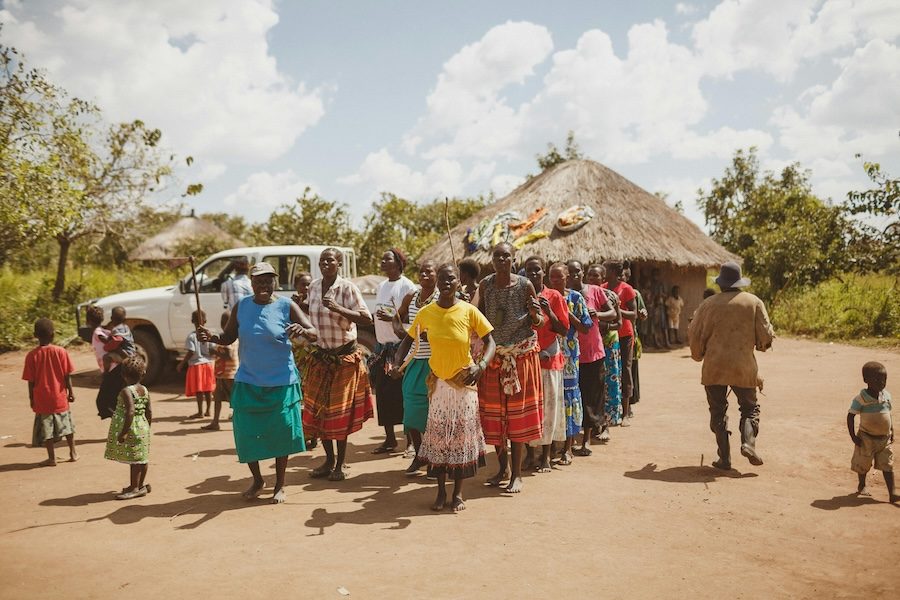
The land around Hoima does not present itself with drama. It rolls gently, holds its secrets in the soil and reveals its value slowly, season after season. It is precisely this quiet consistency that makes it fertile ground for a different kind of investment model, one that measures success across generations rather than quarters.
Al Rauda’s community co ownership programme began with a simple premise. Those who work the land should share in its long-term value. Not through wages alone but through equity that grows alongside the forest itself.
Our plan for hundreds of families are now part of that story.
Each family enters a ten-year pathway where five percent equity in the project is transferred gradually, tied to stewardship and participation. The structure is deliberate. It aligns incentives without distorting them. Workers are not treated as inputs but as partners in an asset that appreciates over time.
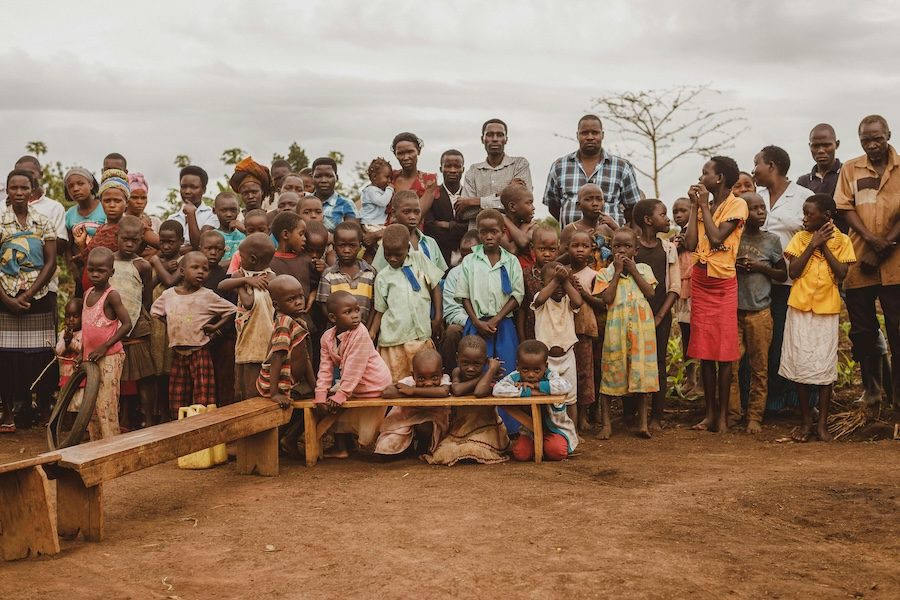
This changes behaviour in subtle but powerful ways.
A tree is no longer just a unit of production. It becomes part of a shared inheritance. Decisions around planting, maintenance and protection carry a different weight when the outcome feeds directly into family wealth. The land shifts from being a place of labour to a place of ownership.
The economic implications extend beyond the immediate.
Equity creates access. Families with a stake in a productive asset are better positioned to engage with financial systems, to secure education for their children and to invest in small enterprises that diversify income streams. The forest becomes a platform rather than a single opportunity.
There is also a social dimension that cannot be ignored.
In regions where land ownership has historically been uneven, structured co ownership introduces a degree of balance. It does not dismantle existing systems overnight but it begins to tilt them towards inclusion. Over time, this has the potential to reshape local economies from within.
The programme’s design avoids the pitfalls of short term incentives.
Cash payments alone can create dependency. Equity fosters resilience. It requires patience, a willingness to invest effort without immediate reward, and a belief in the future value of the asset. These are not abstract qualities. They are lived experiences for the families involved.
Walking through the plantations, the difference is visible.
Care is embedded in the details. Young trees are protected with attention that goes beyond obligation. Boundaries are respected not because they are enforced but because they are shared. The forest carries a sense of collective responsibility that cannot be mandated.
For investors, this model offers something equally compelling.
Assets managed by aligned communities tend to outperform those managed through distant oversight. Risk is reduced not through contracts alone but through relationships. The social fabric becomes part of the asset’s resilience.
Al Rauda’s work in Hoima is still in its early chapters, yet the direction is clear. Generational wealth is not created through extraction. It is built through participation, patience and a structure that allows value to compound over time.
Related reading:
See What human benefits are ahead for communities in Uganda and Why agroforestry investments create generational wealth.
Read more stories from the ground or join the journey on LinkedIn.